
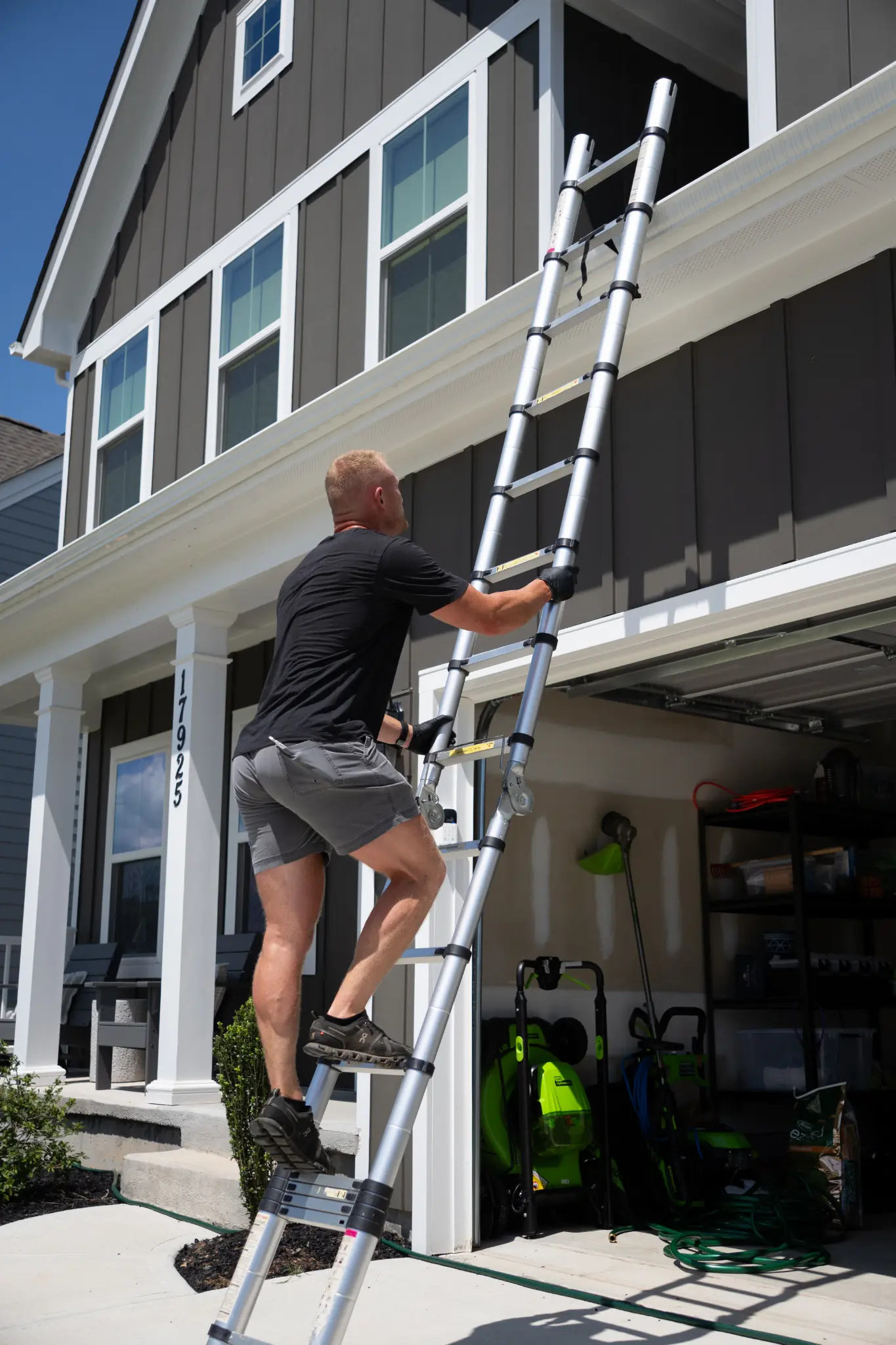
Home Inspection Checklist
Use this practical checklist to prepare the property, understand the visible-access limits of an inspection, and organize questions for the walkthrough and report.
Before the appointment
Confirm the inspection date, property address, access instructions, and the services included in the appointment. If the property is occupied, coordinate access with the appropriate owner, seller, agent, or builder.
Make readily accessible areas easier to evaluate. Clear reasonable access to electrical panels, HVAC equipment, water heaters, attic or crawl-space entries, and under-sink plumbing where practical. Do not move heavy objects or enter unsafe areas solely for the inspection.
Share useful property context
Provide relevant documents or known conditions that may help the inspector understand the property, such as recent repair information, builder documentation, prior reports, or areas where you have observed moisture or performance concerns.
For a new-construction appointment, confirm the construction phase and site-access rules. Vaultix offers pre-drywall or framing and final or pre-closing inspections; the appropriate timing depends on what is complete and safely accessible.
Plan for the walkthrough
Ask Vaultix when to attend and how much time to allow for the property. The residential service page describes a typical two-to-four-hour inspection, but size, age, foundation type, access, and added services can affect timing.
Use the walkthrough to ask questions about significant observations, normal maintenance, and any recommendation for further evaluation. An inspection documents visible, safely accessible conditions; it is not a promise that concealed or inaccessible issues will be found.
Review the digital report
Read the full report rather than relying only on a summary. Use photographs, video, written observations, and any recommendations to understand what was visible at the time of inspection.
If a finding needs more context, ask Vaultix. Where the report recommends additional assessment, consider an appropriately qualified trade or specialist. The report can support your next conversation, but it does not make a purchase, repair, or contract decision for you.