Home Inspections in Denver, NC
Denver sits on the Lincoln County side of the Lake Norman area, where lake-oriented neighborhoods, established residential properties, rural parcels, and newer subdivisions can all be part of the same home search. Vaultix Home Inspections provides detailed property inspections for buyers, owners, sellers, and agents throughout Denver. We look at the house as a working system: structure, roof, water management, electrical, plumbing, heating and cooling, interior conditions, and the other visible components that can affect ownership after closing.
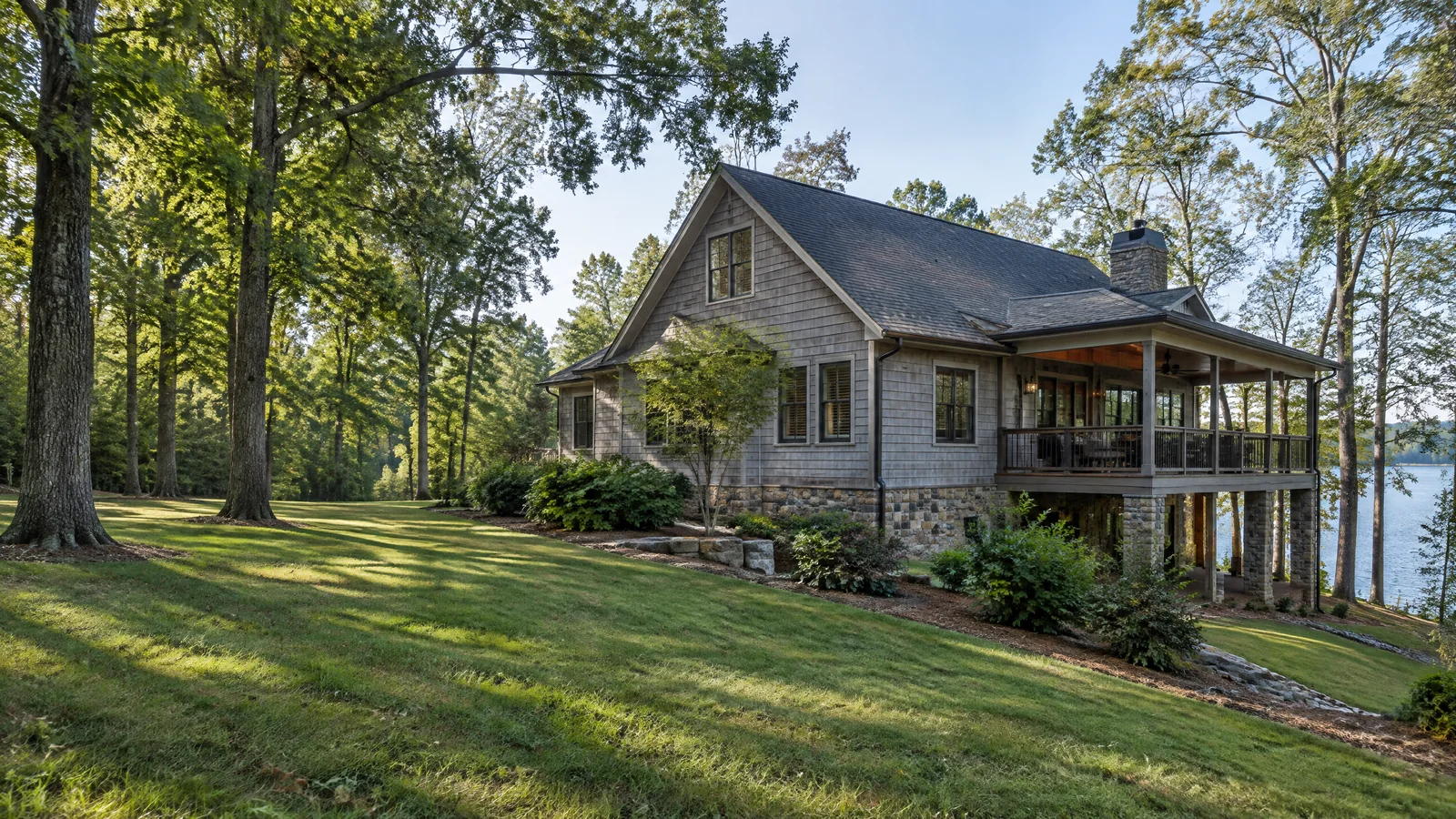
Lake-area properties deserve a close look at water management
Proximity to Lake Norman does not make every Denver property a waterfront home, but the local landscape makes exterior drainage, grading, moisture control, and crawl-space conditions important parts of the inspection conversation. Roof runoff, low areas near the foundation, aging gutters, exterior penetrations, damaged siding or trim, and poor ventilation can all contribute to moisture problems if they are ignored.
Vaultix examines visible evidence rather than making assumptions based on the ZIP code. We look for conditions that may allow water where it does not belong and document signs of staining, deterioration, leakage, or moisture-related damage when present. Where a component cannot be fully evaluated during a standard inspection, we explain the limitation and recommend the appropriate next step.
Older homes, renovations, and fast-moving development
Denver is unincorporated, and residential development stretches across a broad part of eastern Lincoln County. That creates variety. Some homes have been updated repeatedly over decades. Others are part of newer planned communities. Still others sit on larger lots with features and utility arrangements that are less common in dense suburban neighborhoods.
For an older or remodeled property, we pay attention to the relationship between original construction and later work. Electrical changes, plumbing repairs, additions, roof replacements, altered openings, finished spaces, and mechanical upgrades can all tell part of the property's story. For newer construction, the focus shifts toward installation quality, completeness, drainage, flashing, insulation, and defects that should not be accepted simply because the house is new.
Choose the inspection services the property actually needs
A standard home inspection is the starting point for many clients, but some Denver properties call for additional testing. Vaultix offers WDIR/termite inspections, radon testing, mold and indoor air quality testing, water quality testing, new-construction phase inspections, 11-month warranty inspections, and commercial inspections.
Water quality testing can be particularly useful when a property uses a private water source or when the client wants additional information about water conditions. A WDIR can address wood-destroying insect concerns during a transaction. Radon testing measures a hazard that cannot be identified by sight or smell. Mold and indoor-air services are available when conditions or client concerns justify a more focused evaluation.
A report built for decisions
Vaultix documents inspection findings in an easy-to-read digital report with photographs and explanations. We do not expect clients to translate contractor shorthand or sort through dozens of unrelated comments to find the important items. Significant defects, safety concerns, repair needs, and maintenance observations are presented in a way that supports a real decision.
Buying a property around Denver can involve a lot of moving parts, particularly when the house includes lake-area conditions, acreage, newer construction, or previous renovations. The inspection should reduce uncertainty, not add to it.
Schedule your Denver, NC inspection with Vaultix Home Inspections. We will examine the accessible components carefully, communicate what we find, and give you a practical record of the property's visible condition at the time of the inspection. Denver buyers may be comparing a conventional subdivision home with a larger-lot property or a house closer to the water. Those differences matter. Site drainage, exterior exposure, utility arrangements, outbuildings, and previous improvements can change what deserves attention during the inspection.