Ultimate Charlotte Home Inspection Checklist: Spotting Costly Deficiencies Before Closing
2025-05-02Whether you are placing an offer on a classic bungalow in Plaza Midwood, a sprawling estate in Lake Norman, or a brand-new build in Huntersville, buying a house is a major financial milestone. However, beneath a fresh coat of paint and staging furniture, hidden property defects can turn a dream home into an expensive nightmare.
What to know
In North Carolina, real estate transactions move fast due to tight due diligence windows. To protect your hard-earned investment, you need to understand exactly what to look for when touring a house. This practical, local home inspection checklist highlights the critical structural, mechanical, and regional moisture issues common across the Greater Charlotte area.
1. Foundation, Framing & Structural Envelopes
Charlotte area soils are rich in heavy red clay, which retains a tremendous amount of water. As seasonal weather changes, clay soil expands and shrinks, putting immense physical stress on residential foundations.
Foundation Wall Fractures: Walk the perimeter of the home to look for stair-step cracks in brick masonry or long horizontal cracks across basement crawl space walls.
Sill Plate & Floor Joist Sagging: Inside the crawl space, check the main wooden framing elements. High moisture can weaken timber, causing floors to sag or feel bouncy under your feet.
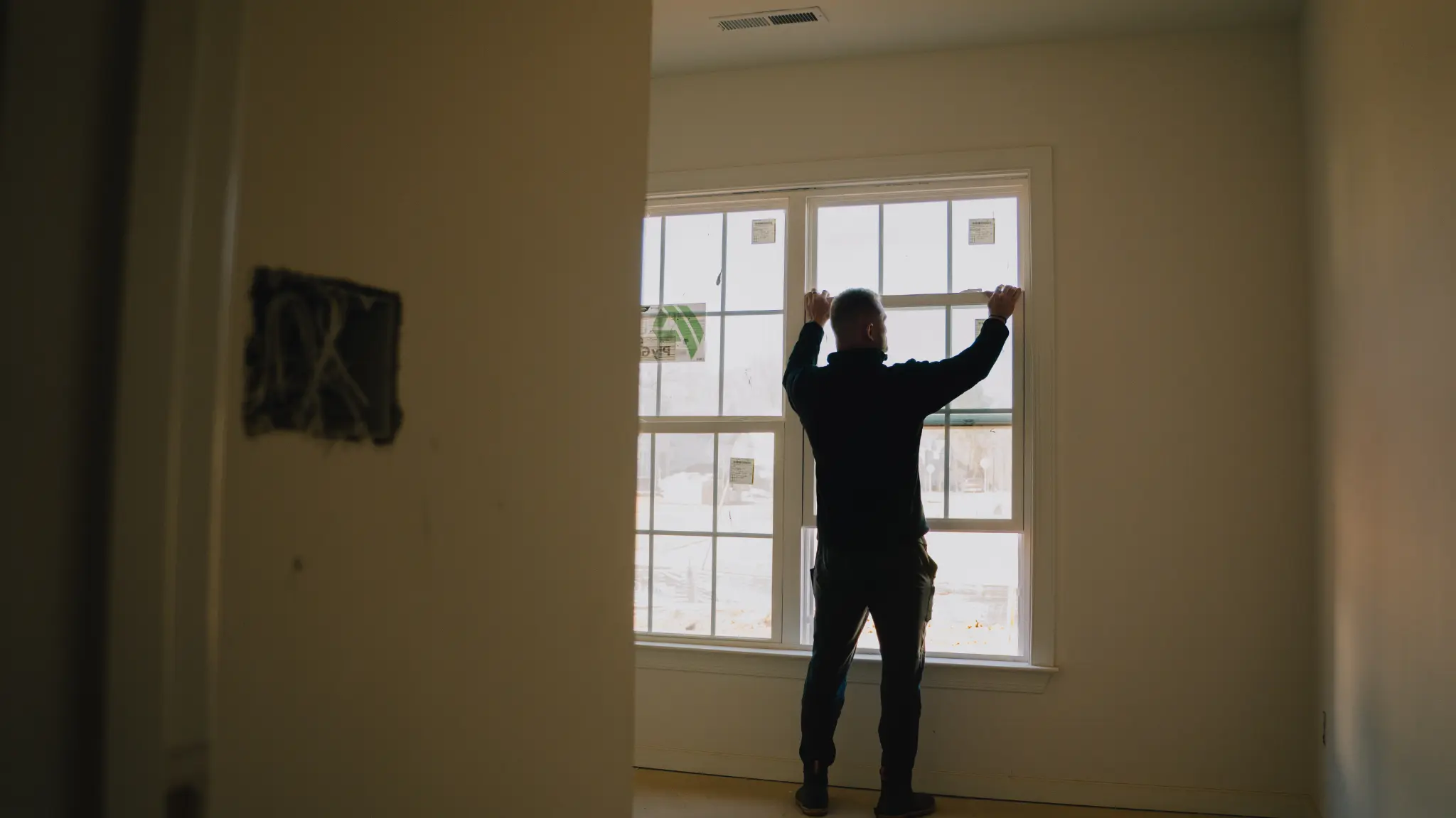
Door & Window Alignment: Check if doors stick when closing or if there are diagonal drywall cracks stretching outward from the upper corners of interior door frames. These are classic warning signs of foundation settlement.
2. High-Risk Moisture & Crawl Space Zones
With our humid North Carolina summers, moisture control is the single most important factor in preventing mold and wood rot in local properties.
Crawl Space Humidity & Standing Water: Look for puddles on the ground under the house, fallen insulation blankets, or white, powdery stains (efflorescence) on concrete blocks.
Fungal Growth (Mold): Check raw subflooring, attic sheathing, and baseboards for dark or white fungal staining. Hidden mold issues can quickly ruin your indoor air quality.
Negative Grading Around Foundations: Ensure the dirt yard slopes away from the foundation walls. If the soil slopes inward toward the house, heavy rain will flow straight into the crawl space or basement.
3. Electrical & Mechanical Systems
Older homes in established areas like Dilworth or Myers Park often feature outdated wiring, while newer subdivisions frequently suffer from hurried subcontractor errors.
Main Electrical Panel Breakers: Look for unapproved wiring connections, double-tapped circuit breakers, or open filler spaces that leave live electrical bars exposed.
GFCI Shock Protection: Test the electrical outlets in the kitchen, bathrooms, garage, and exterior walls. They must feature Ground Fault Circuit Interrupter (GFCI) buttons to prevent accidental shocks near water sources.
HVAC Age & Operational Performance: Locate the serial numbers on the heating and cooling units. The average service life of a standard heat pump in the Carolinas is roughly 12 to 15 years. If the system is older, budget for an upgrade.
4. Plumbing Systems & Water Flow
Hidden plumbing leaks can trickle silently for months, rotting structural wood framing long before a stain appears on the ceiling.
Under-Sink Cabinet Inspection: Open the vanities beneath every bathroom and kitchen sink. Use a flashlight to check for active water drops, warped wood cabinets, or historical water rings.
Water Heater Tank Corrosion: Check the base of the water heater for rust, slow corrosion around the piping connections, or a missing discharge line on the temperature and pressure relief valve.
Functional Flow & Drainage: Run multiple plumbing fixtures simultaneously (such as flushing a toilet while running the bathroom sink) to verify healthy water pressure and smooth drainage performance.
Why You Need a Licensed Local Professional
While an initial walkthrough with this checklist helps you spot obvious red flags, many of the most expensive structural and environmental hazards are hidden completely out of sight.
Vaultix was founded by Kyler and Spenser, combining hands-on residential home building construction experience with professional pest, termite, and specialized moisture control management. We proudly serve the entire Greater Charlotte region—including Gastonia, Mooresville, Concord, Cornelius, Waxhaw, and Rock Hill .
We do not just look at visible surfaces. We crawl into the tightest corners of your foundation, climb the roof, and analyze the property using advanced diagnostics like infrared thermal cameras, digital moisture meters, and certified radon monitors . Within 24 hours of your inspection, we deliver an interactive digital dashboard that separates minor punch-list items from major safety defects, giving you the exact data you need to negotiate repair credits before your due diligence period closes.
Frequently Asked Questions
When should I book my home inspection?
You should schedule your home inspection immediately after your offer is officially accepted by the seller. Because North Carolina due diligence fees are generally non-refundable, you want to get our final report back as early as possible to ensure you have enough time to negotiate repairs.
Should I be present during the physical inspection walkthrough?
We highly recommend attending the final 30 minutes of our on-site inspection. Kyler or Spenser will walk you through the property side-by-side, point out every defect we found, and explain our findings in plain English so you know exactly what to expect.
Do new construction homes need an inspection checklist?
Absolutely. New builds are frequently rushed by subcontractors trying to meet tight deadlines. We routinely find missing attic insulation, unsealed roof flashing, backwards plumbing lines, and structural layout errors in brand-new homes.
Don’t Leave Your Investment to Chance
Protect your family, your budget, and your peace of mind with a comprehensive structural and environmental evaluation.